News Highlights from our researchers. One tissue, many cellular functions Considered by many as one of the most regenerative organs in the adult female, Felicity Davis sees the mammary gland as a treasure trove of knowledge around cell death, tissue remodelling and other processes. NHMRC Ideas Grant Announcement School of Population Health’s Dr Adrienne Withall will lead a NHMRC funded project to enhance screening capacity for health conditions in older prisoners (aged 50+ years). UNSW researchers receive more than $17m in NHMRC funding Teaching people to gain control over their brain to relieve chronic pain and improving food and water security are two of the innovative UNSW Sydney projects to receive Ideas Grants. DNA nanobots build themselves – how can we help them grow the right way? UNSW researchers have overcome a major design challenge on the path to controlling the dimensions of so-called DNA nanobots – structures that assemble themselves from DNA components. Supercharge your microscope: researchers share guide for ultra-precise 3D imaging UNSW Sydney researchers have shared step-by-step instructions to empower other scientists to enhance the resolution and stability of single-molecule microscopes. This protein empowers cancer cells – targeting it could kickstart new therapies A group of researchers – led by Children’s Medical Research Institute (CMRI) and including UNSW academics – have made an unexpected discovery about cancer cells Cancer-killing T cells ‘swarm’ to tumours, attracting others to the fight Immune T cells swarm to tumours by following a chemical gradient left by other cancer-killing T cells, a pre-clinical study by UNSW Sydney medical researchers has shown. Maximising Research Impact Research has the potential to improve health outcomes and transform lives, but the pathways to deliver scientific discoveries, where they can have the greatest benefit to society, can be elusive. Self-aligning microscope smashes limits of super-resolution microscopy An ultra-precise microscope that surpasses the limitations of Nobel Prize-winning super-resolution microscopy will let scientists directly measure distances between individual molecules. Physical interactions shape melanoma cell movement and migration A novel mechanical signalling pathway that could influence the development of cancers has been discovered in cultured melanoma cells by scientists in Sydney and Germany. Fish school by randomly copying each other, rather than following the group An international team of researchers has revealed the mechanisms behind fish schooling – and what they found differs from what scientists had previously thought. Sensational Membrane Proteins SMS group leader Kate Poole speaks to Biophysical Society TV about membrane proteins that allow our cells to sense their surroundings – and not just mechanosensing in the cells that sense touch and pain. Load More
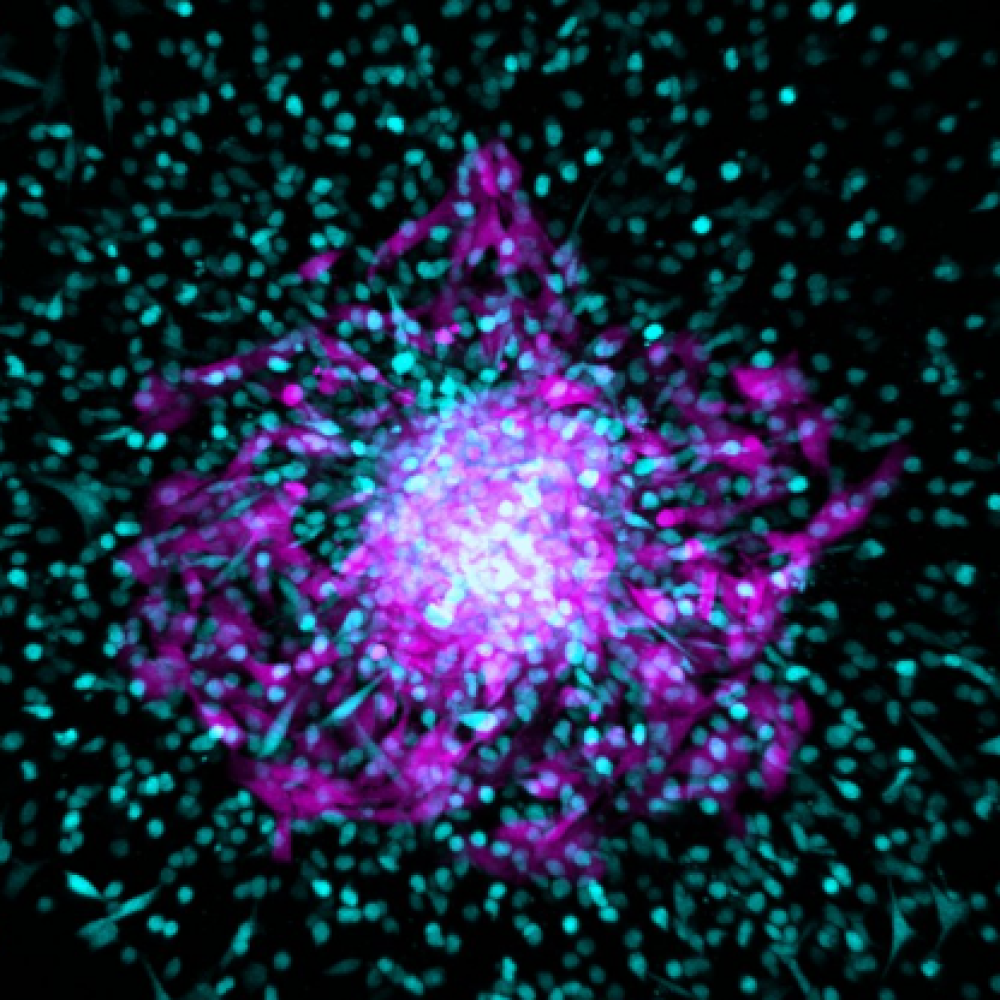
One tissue, many cellular functions Considered by many as one of the most regenerative organs in the adult female, Felicity Davis sees the mammary gland as a treasure trove of knowledge around cell death, tissue remodelling and other processes.
NHMRC Ideas Grant Announcement School of Population Health’s Dr Adrienne Withall will lead a NHMRC funded project to enhance screening capacity for health conditions in older prisoners (aged 50+ years).
UNSW researchers receive more than $17m in NHMRC funding Teaching people to gain control over their brain to relieve chronic pain and improving food and water security are two of the innovative UNSW Sydney projects to receive Ideas Grants.
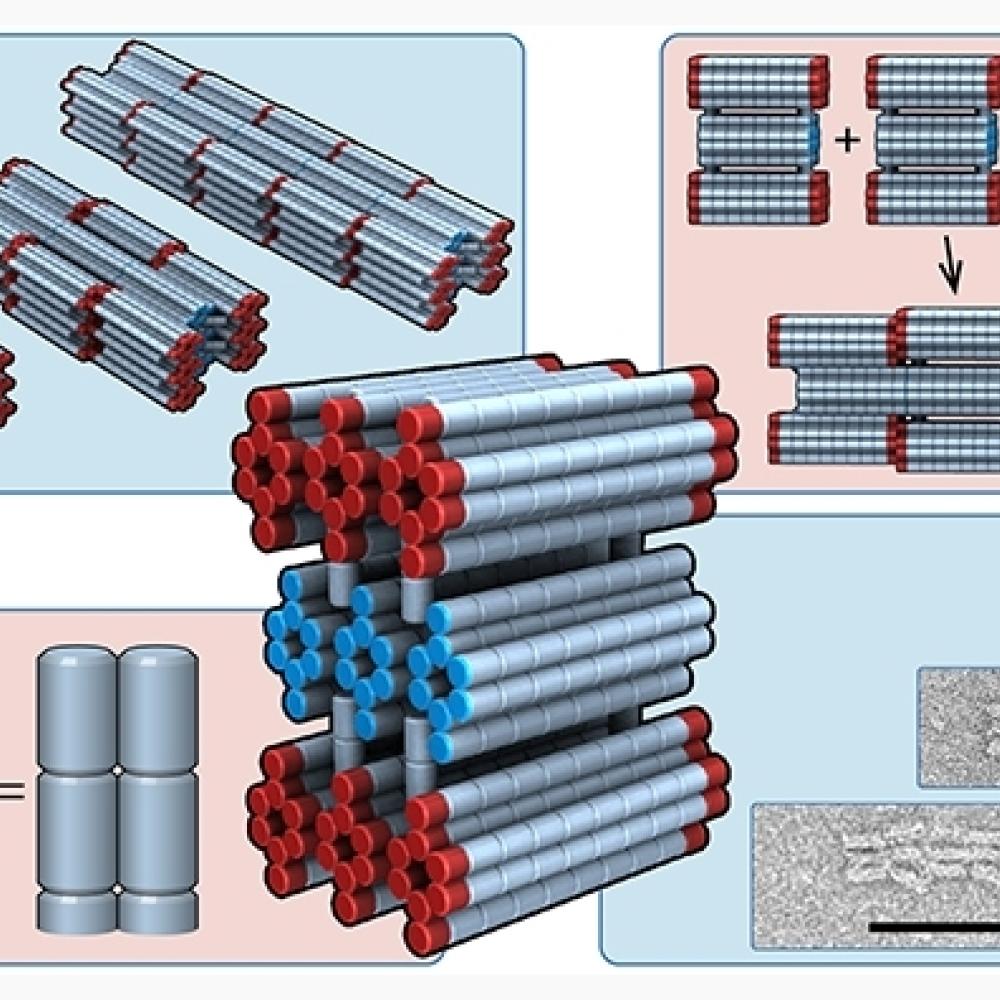
DNA nanobots build themselves – how can we help them grow the right way? UNSW researchers have overcome a major design challenge on the path to controlling the dimensions of so-called DNA nanobots – structures that assemble themselves from DNA components.
Supercharge your microscope: researchers share guide for ultra-precise 3D imaging UNSW Sydney researchers have shared step-by-step instructions to empower other scientists to enhance the resolution and stability of single-molecule microscopes.
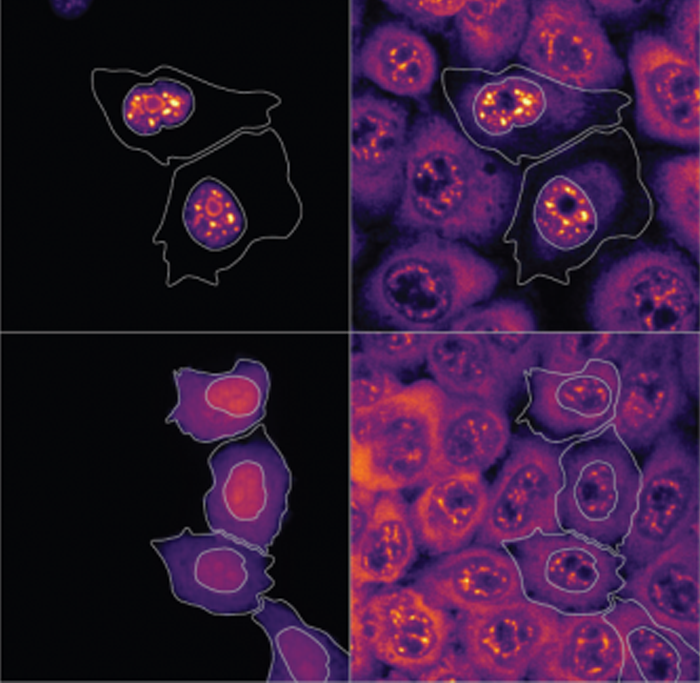
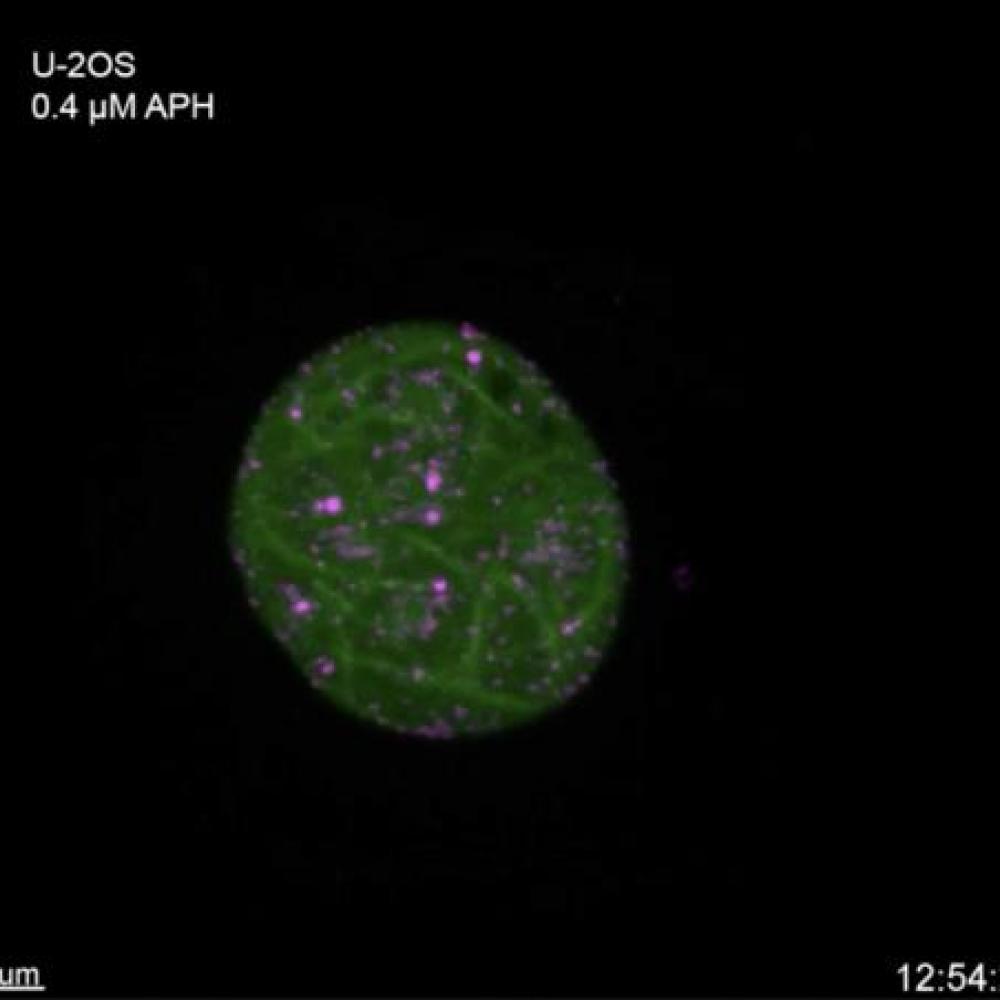
This protein empowers cancer cells – targeting it could kickstart new therapies A group of researchers – led by Children’s Medical Research Institute (CMRI) and including UNSW academics – have made an unexpected discovery about cancer cells
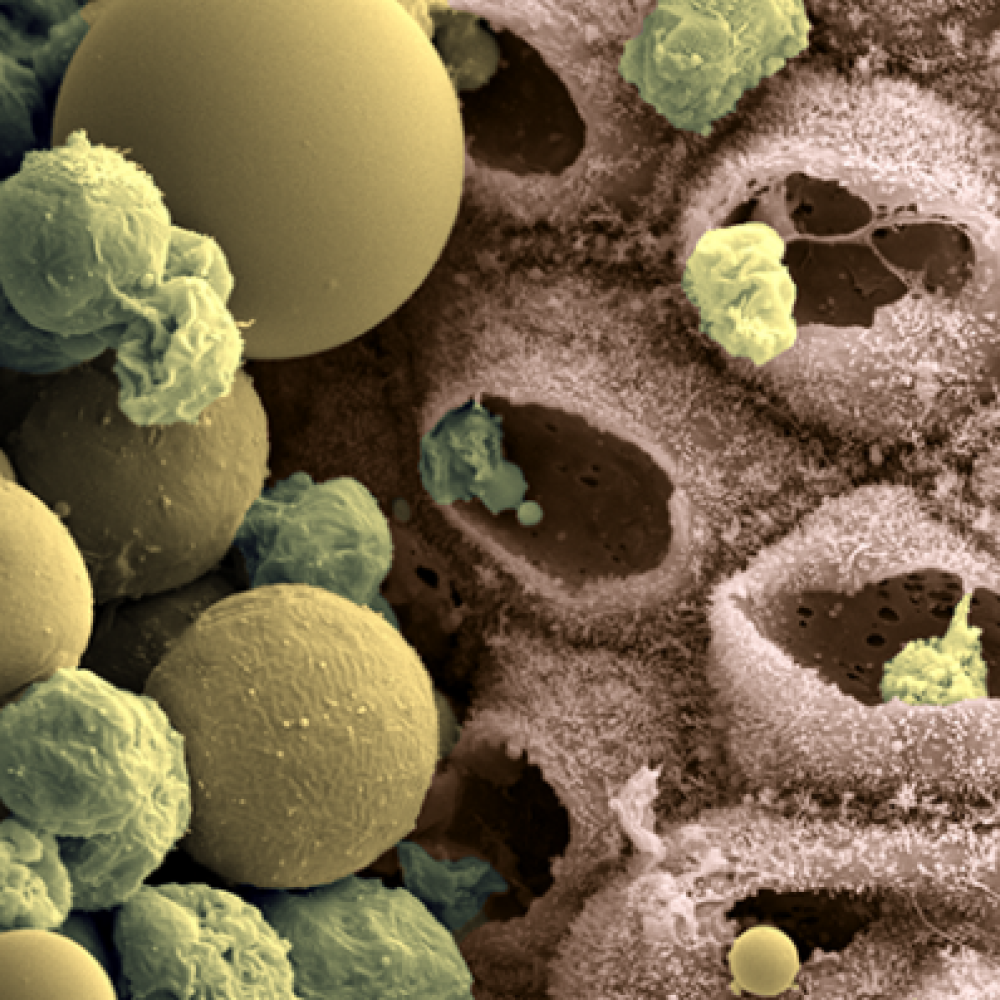
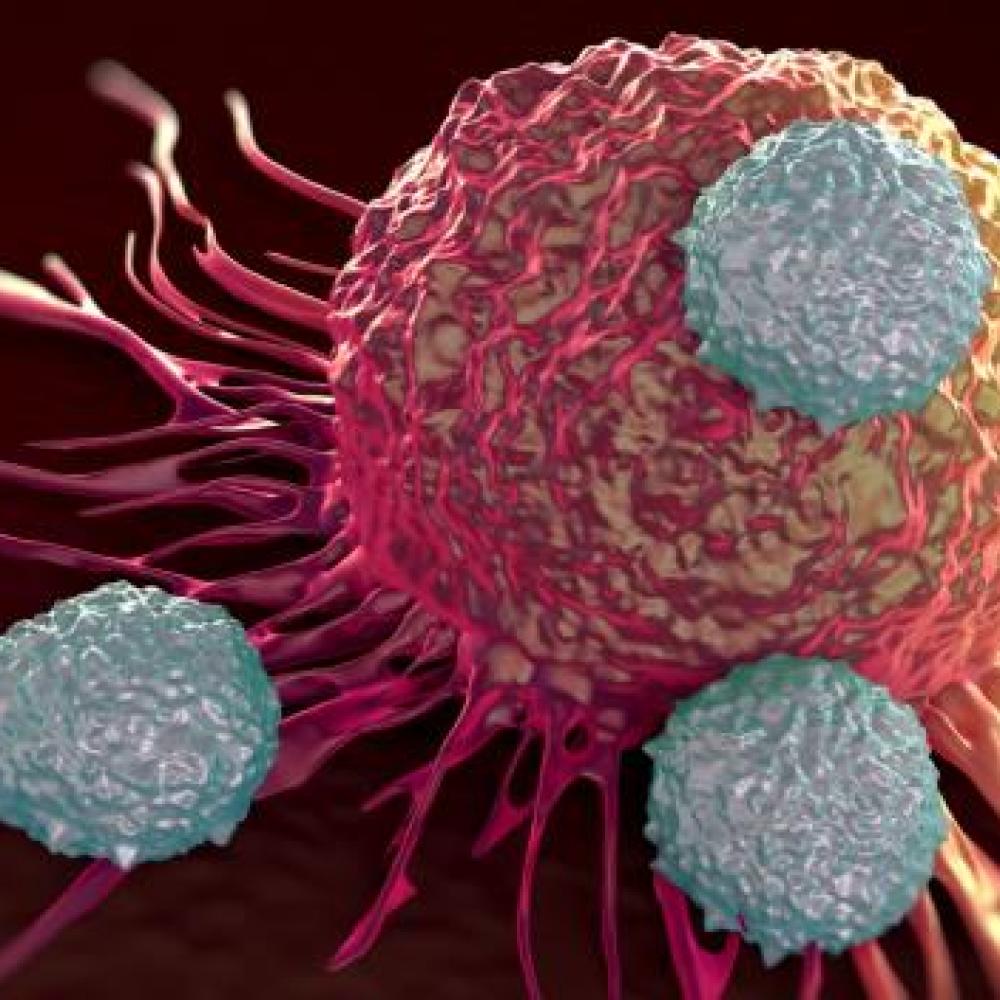
Cancer-killing T cells ‘swarm’ to tumours, attracting others to the fight Immune T cells swarm to tumours by following a chemical gradient left by other cancer-killing T cells, a pre-clinical study by UNSW Sydney medical researchers has shown.
Maximising Research Impact Research has the potential to improve health outcomes and transform lives, but the pathways to deliver scientific discoveries, where they can have the greatest benefit to society, can be elusive.
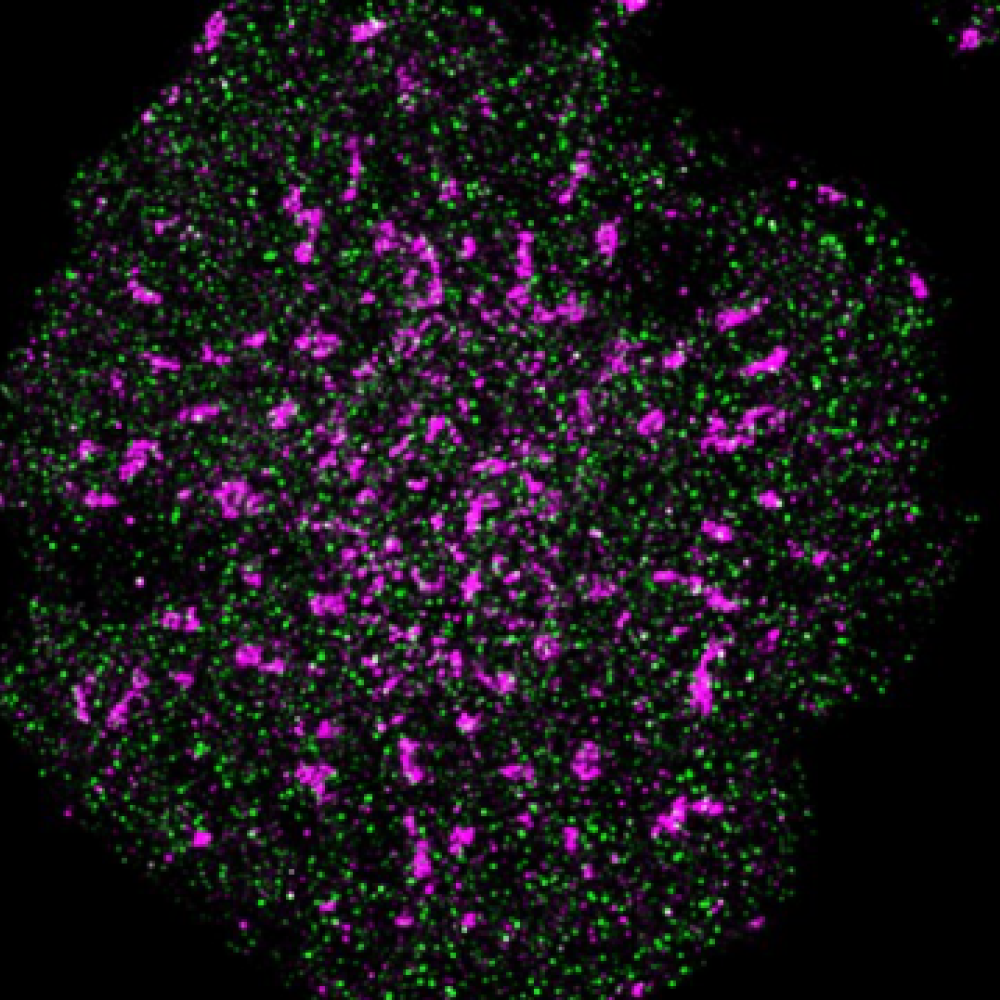
Self-aligning microscope smashes limits of super-resolution microscopy An ultra-precise microscope that surpasses the limitations of Nobel Prize-winning super-resolution microscopy will let scientists directly measure distances between individual molecules.
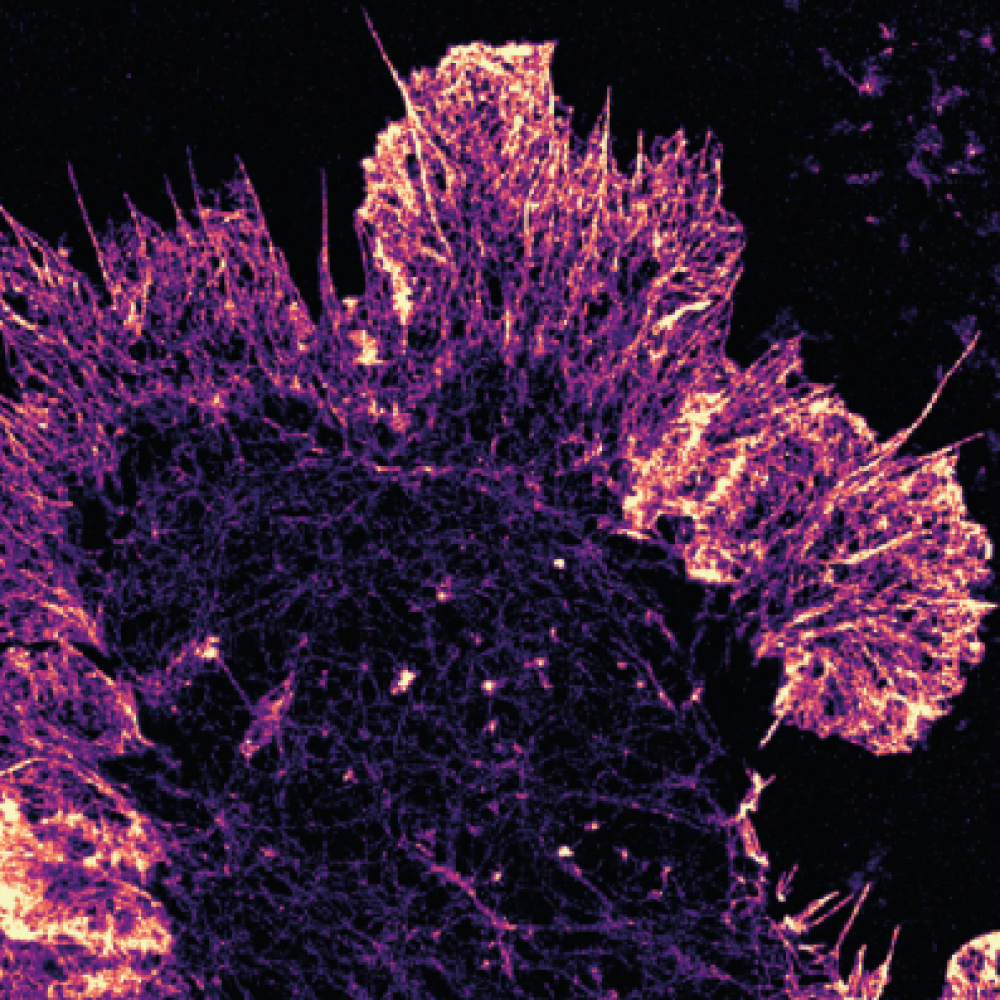
Physical interactions shape melanoma cell movement and migration A novel mechanical signalling pathway that could influence the development of cancers has been discovered in cultured melanoma cells by scientists in Sydney and Germany.
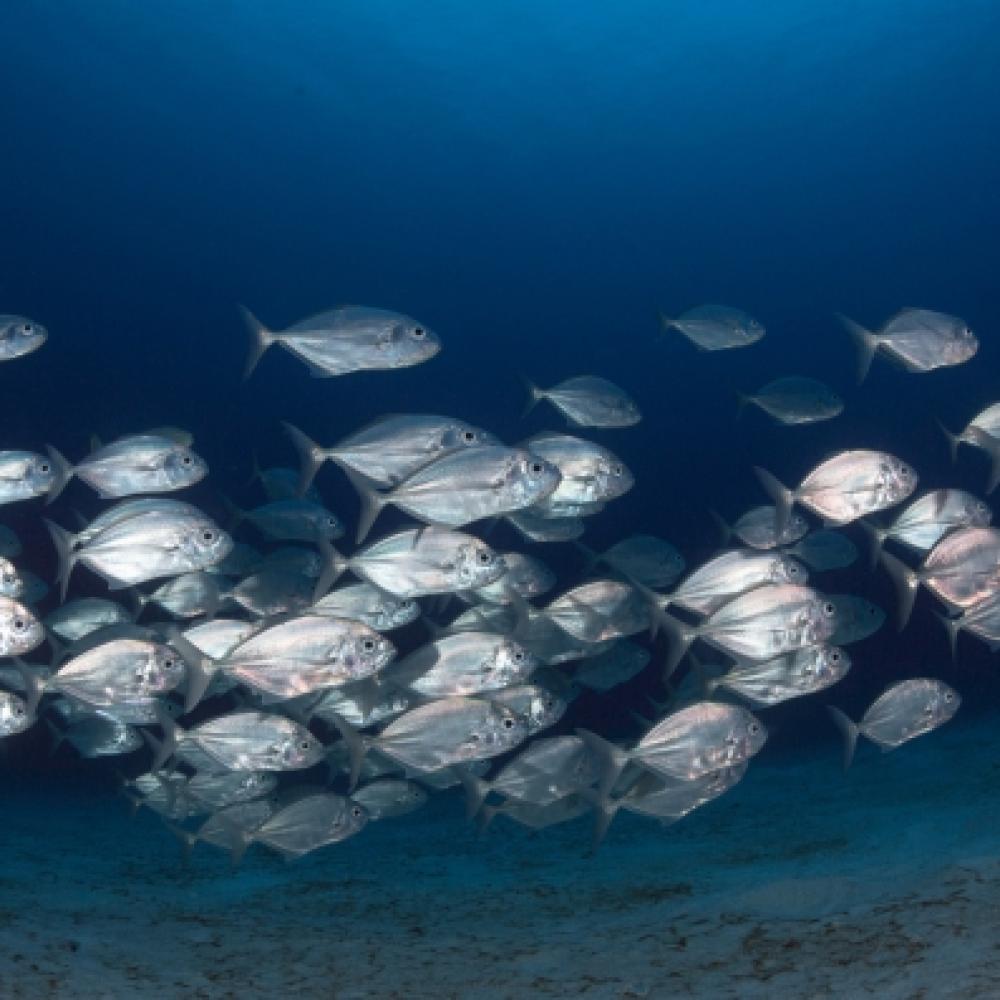
Fish school by randomly copying each other, rather than following the group An international team of researchers has revealed the mechanisms behind fish schooling – and what they found differs from what scientists had previously thought.
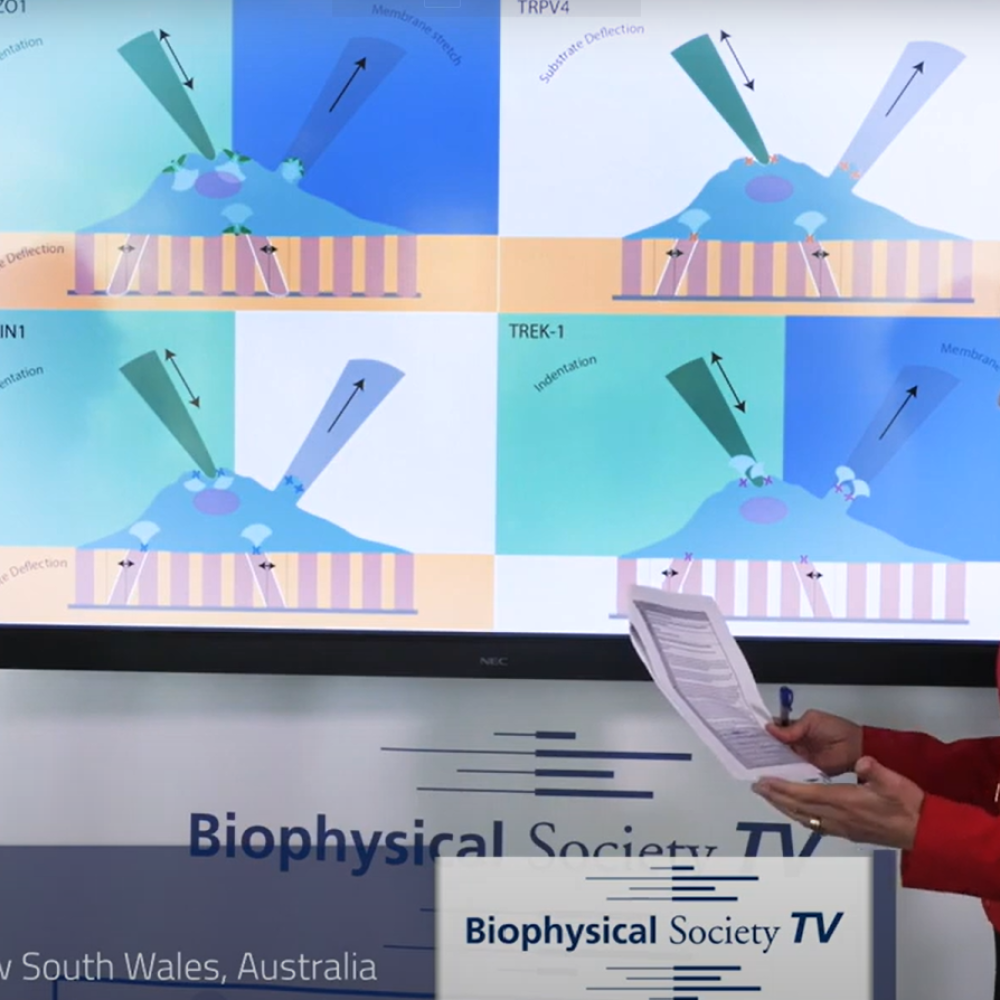
Sensational Membrane Proteins SMS group leader Kate Poole speaks to Biophysical Society TV about membrane proteins that allow our cells to sense their surroundings – and not just mechanosensing in the cells that sense touch and pain.