• News
  • Events
  • myUNSW
  • Alumni & Giving
  • Contact Us
UNSW
Single Molecule Science
  • Study Study
      Single Molecule Science
      Study
    • Study options Study options
        Study
        Study options
      • Our faculties
      • Explore degrees
      • Online
      • Short courses
    • Discover UNSW Discover UNSW
        Study
        Discover UNSW
      • Undergraduate study
      • Postgraduate study
      • International students
      • Graduate research
      • Our campus
      • Accommodation
      • Support for students
    • How to apply How to apply
        Study
        How to apply
      • Domestic undergraduate
      • Domestic postgraduate
      • International
      • Research
      • Fees
      • Scholarship
    • Help centre Help centre
        Study
        Help centre
      • Ask a question
      • Speak to a student
      • Received an offer?
      • Information for parents
      • Information for educators
      • Agent Hub
  • Research Research
      Single Molecule Science
      Research
    • Research strengths Research strengths
        Research
        Research strengths
      • Clean energy
      • Climate adaptation & built environment
      • Technology for good
      • Healthier lifespans
      • Equity, security & prosperity
    • Partner with us Partner with us
        Research
        Partner with us
      • Research & development
      • Grant funding
      • Intellectual property
      • Case studies
      • Investment portfolio
      • Unisearch expert opinion
    • Facilities & infrastructure Facilities & infrastructure
        Research
        Facilities & infrastructure
      • Find a facility
      • Find an instrument
      • Mark Wainwright Analytical Centre
      • Research Imaging NSW
      • Research Technology Services
    • Higher degree research Higher degree research
        Research
        Higher degree research
      • Find a supervisor or project
      • Scholarships
      • Application process
      • Fees & costs
      • International engagement
  • Faculties Faculties
      Single Molecule Science
      Faculties
    • Our faculties Our faculties
        Faculties
        Our faculties
      • Arts, Design & Architecture
      • Business School
      • Engineering
      • Law & Justice
      • Medicine & Health
      • Science
      • UNSW Canberra
  • Engage with us Engage with us
      Single Molecule Science
      Engage with us
    • Engage with UNSW Engage with UNSW
        Engage with us
        Engage with UNSW
      • Social media
      • Community outreach
      • Global engagement
      • Complaints
    • Giving Giving
        Engage with us
        Giving
      • Overview
      • Why give to UNSW
      • Areas to support
      • Ways to give
      • Impact stories
      • Give now
    • Alumni Alumni
        Engage with us
        Alumni
      • Overview
      • Alumni essentials
      • Professional hub
      • Get involved
      • Update your details
    • Find an expert Find an expert
        Engage with us
        Find an expert
      • Find an expert
    • Industry partnerships Industry partnerships
        Engage with us
        Industry partnerships
      • Partner with us
      • Services and solutions
      • Funding opportunities
      • Small businesses
      • Impact and case studies
  • About us About us
      Single Molecule Science
      About us
    • Our story Our story
        About us
        Our story
      • Leadership & governance
      • Our strategy
      • Our culture
      • Our people
    • Our impact Our impact
        About us
        Our impact
      • Societal impact
      • Innovation
      • Enterprise
      • Centres & institutes
    • Collaboration Collaboration
        About us
        Collaboration
      • Community
      • Industry
      • Government
    • Our campus Our campus
        About us
        Our campus
      • Faculties & Schools
      • Respect & diversity
      • Library
    • Excellence Excellence
        About us
        Excellence
      • Education
      • Research
      • Human resources
  • About us About us
      Single Molecule Science
      About us
    • What is SMS?
    • Our facilities
    • Our Founder
  • Our research
  • Our group leaders
  • Work with us Work with us
      Single Molecule Science
      Work with us
    • PhD and Honours student opportunities
    • PhD projects in Structural Virology & Molecular Machines group
    • SMS Internship Program
    • Scientist in Residence
    • UNSW Talented Students Programme
  • News
  • Contact us
  • Blog
SMS - News

News

Highlights from our researchers.

Sensitive disease diagnosis made more accessible with 3D printing

Sensitive disease diagnosis made more accessible with 3D printing

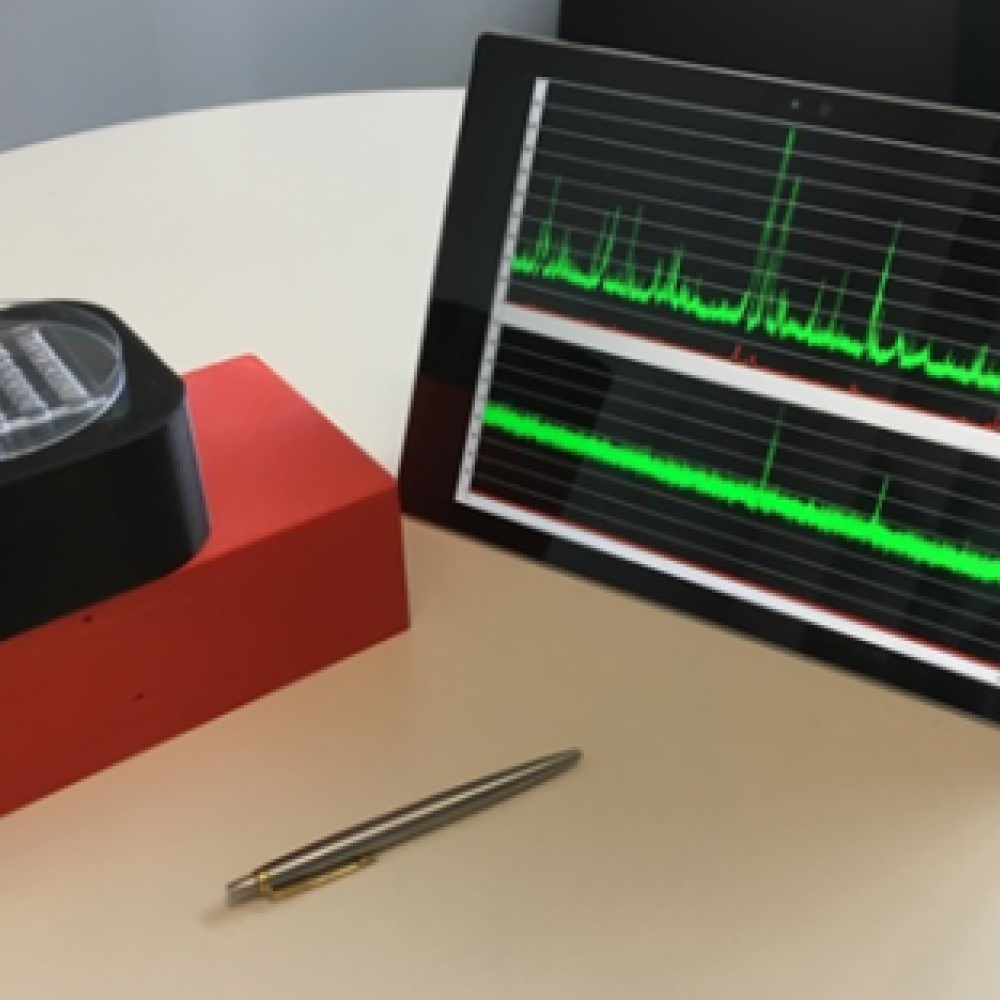
A 3D-printed microscope created by scientists at UNSW Medicine has the potential to make rapid disease screening and diagnosis simpler – and it’s free for anyone to download and use.
Research into restoring hearing loss is one of the UNSW Sydney projects to receive funding in the latest NHMRC grants.

UNSW receives over $33m in latest NHMRC funding

UNSW researchers have secured funding for 38 projects in the latest National Health and Medical Research Council funding round.
Mechanical Tuning of the Senses

Mechanical Tuning of the Senses

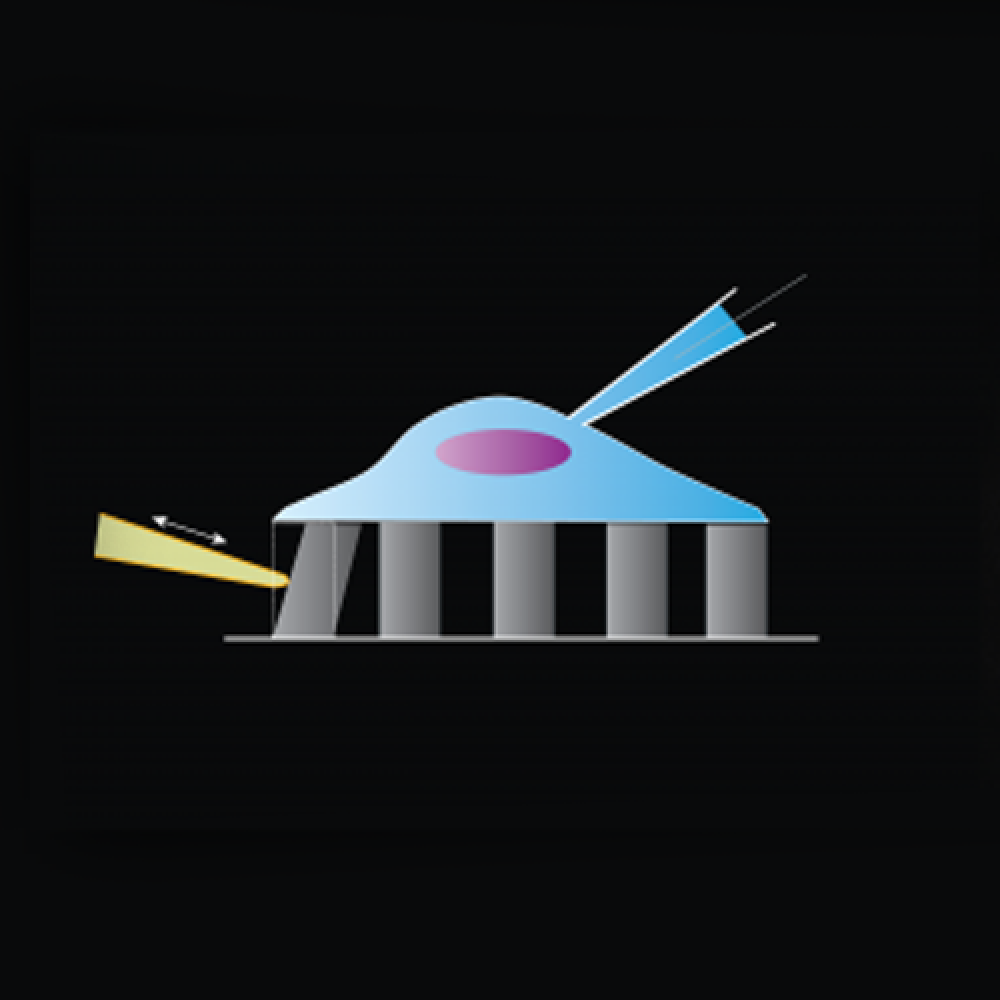
Physical changes in the surrounding microenvironment of cells, in the absence of any other modifications, are enough to affect the way they sense touch, a UNSW Medicine research shows.
A novel biosensor to monitor interactions between HIV-1

A novel biosensor to monitor interactions between HIV-1 and host proteins created by UNSW Sydney researchers

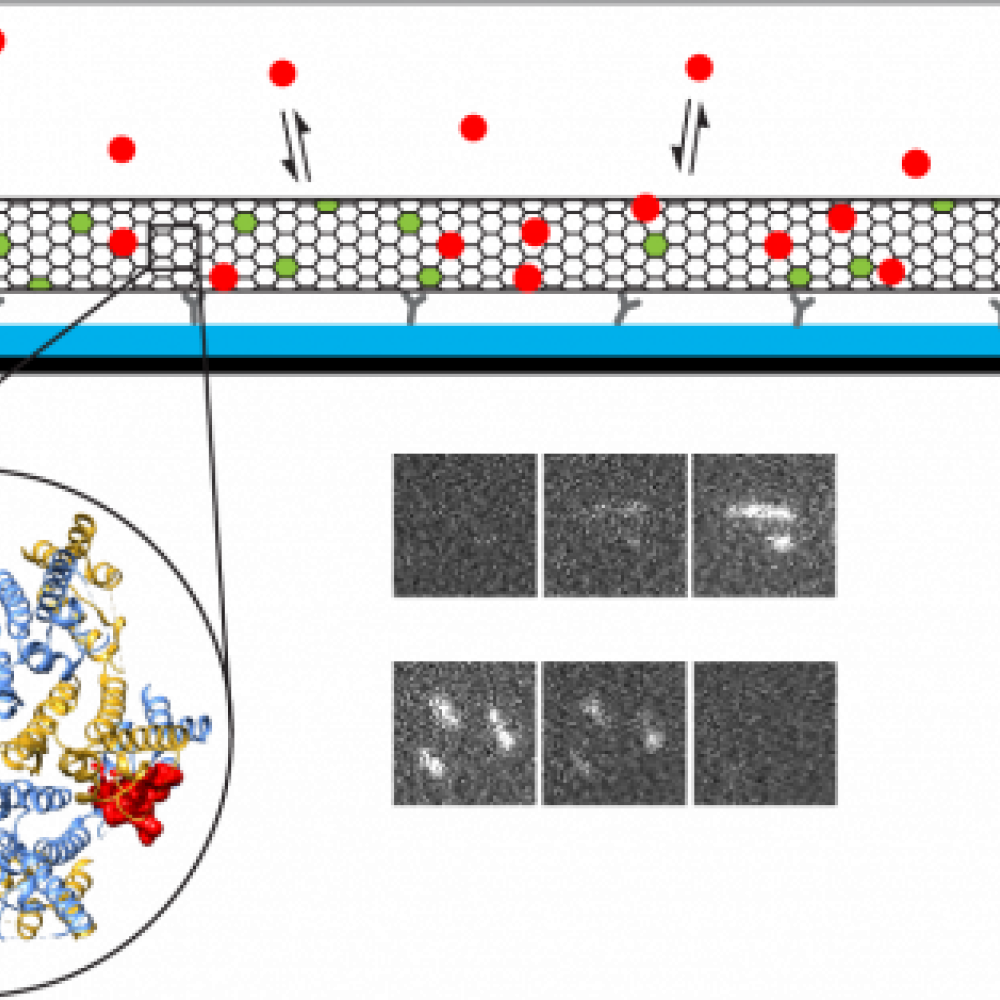
Using single-molecule fluorescence imaging, UNSW Medicine researchers have developed a biosensor to track dynamic protein-protein interactions in real-time between the human immunodeficiency virus (HIV) and its host.
A model of HIV at the Sensory Scientific Exhibition & Discovery Day hosted by Single Molecule Science and Eureka Prize finalist Dr David Jacques at UNSW Sydney. Photo: Stephen Blake

UNSW researchers finalists in 2019 ‘Oscars’ of Australian science

Leading UNSW Sydney medical researchers are finalists at the 2019 Australian Museum Eureka Prizes, Australia's most high-profile science awards.
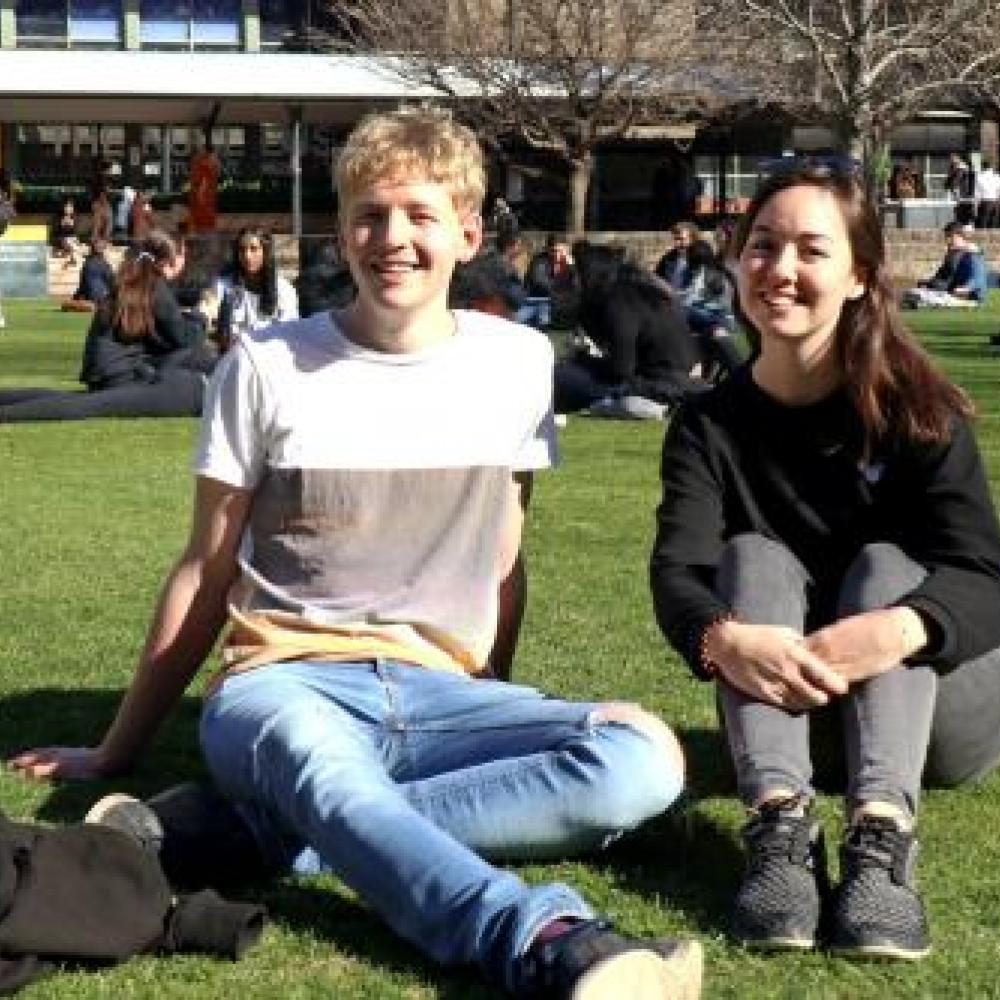
Image - Research Strikes a Chord for Singing Irish Student

Research Strikes a Chord for Singing Irish Student

Trinity College Dublin student Karl Hegarty is singing his way around the world with acapella group, the Trinitones, but stops off in Australia to broaden his scientific horizons with a research internship at UNSW.
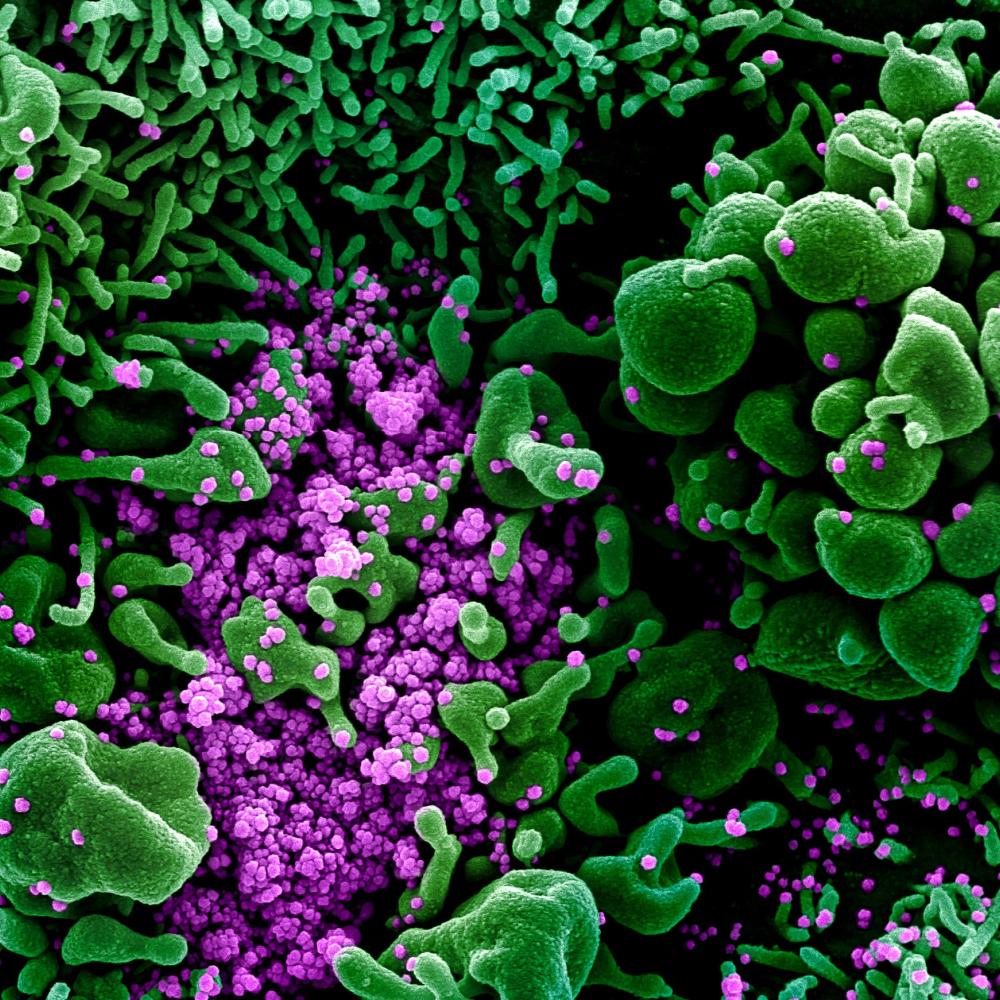
Colourised scanning electron micrograph of a cell (green) heavily infected with SARS-CoV-2 (purple); image credit: NIAID

Hint to how SARS-CoV-2 might subvert immune defences

Researchers from Australia and the United States have gained new insight into how SARS-CoV-2 interacts with cells, which has implications for how the virus may attempt to destabilise the host immune response.
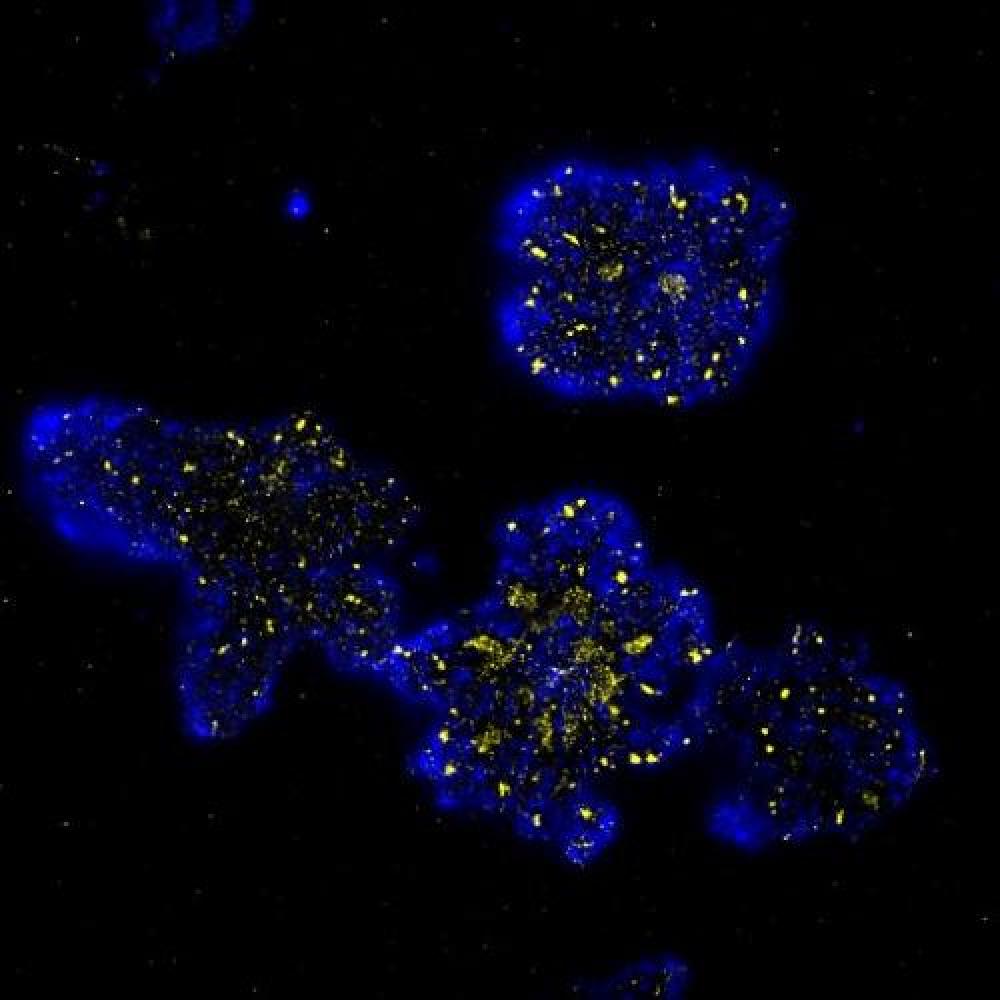
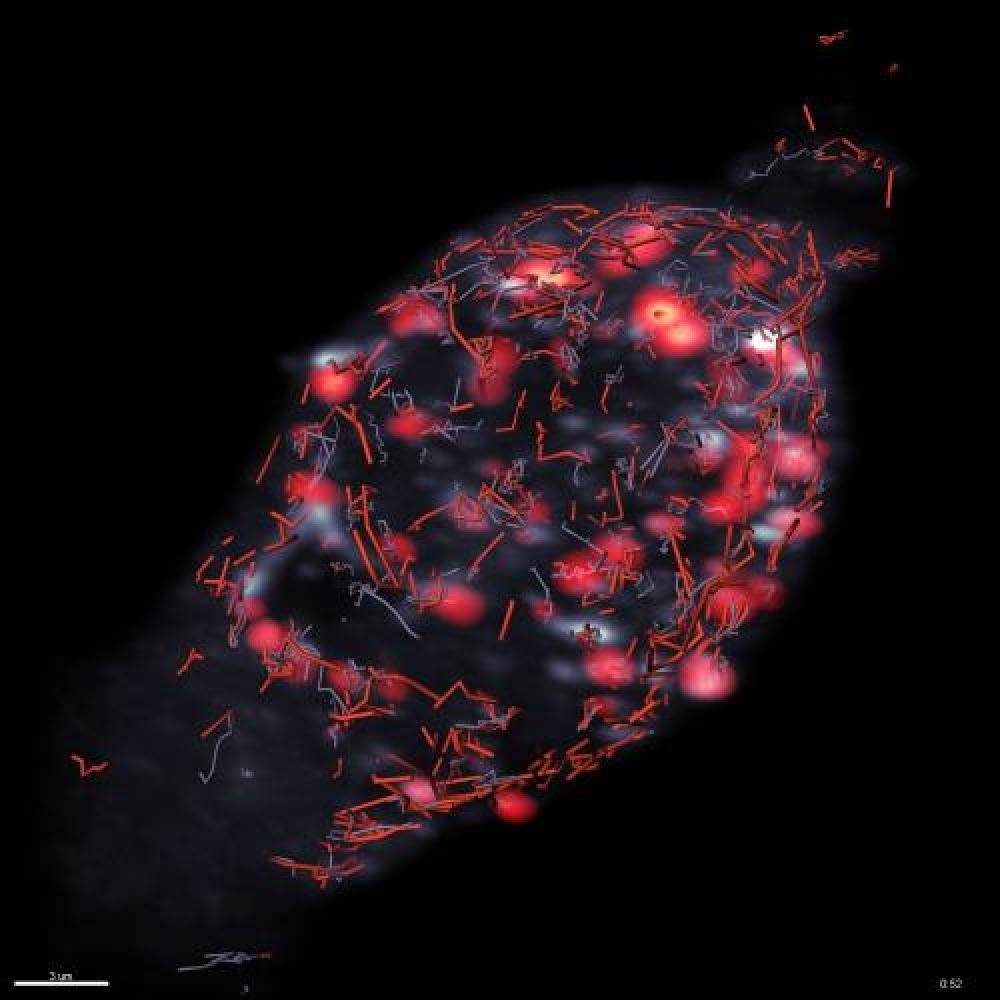
Microscopy image of T cells bearing chimeric antigen receptors; negative regulator, blue, a recruited signalling kinase, yellow

Tinkering with toy CARs to improve immune cell signalling

“As an experimental system, we can isolate different parts of the T cell receptor that may be important for signalling. I like to call them toy CARs,” Jesse says. By tinkering with these toy CARs, researchers can learn how to make T cells work better.
HIV puzzle

4.6 Million Dollar Welcome Trust Funding for HIV Research

A novel tool to dissect cancer development and UNSW Sydney and British Researchers have secured over AUD 4.6 million dollars (£2.5 million) of competitive funding from the Wellcome Trust, over five years, to study how the pandemic human immunodeficiency virus, HIV-1, evades host defences.
SMS

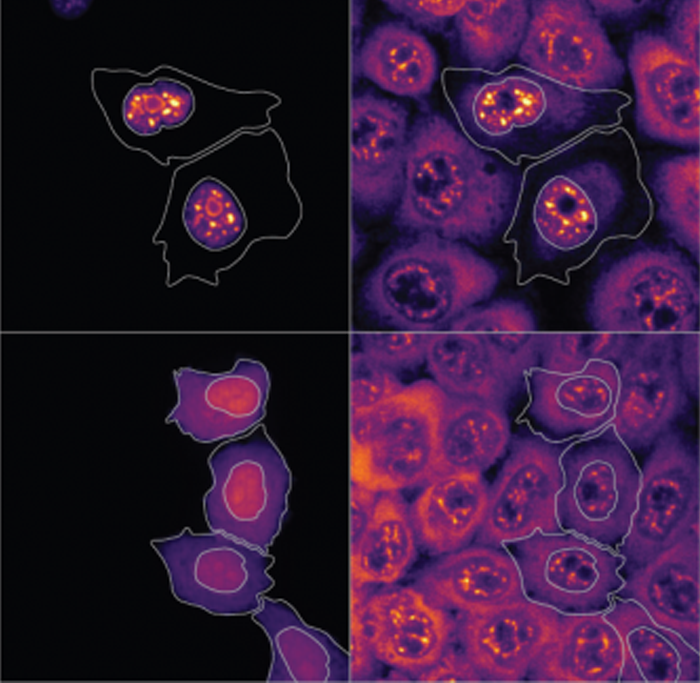
Capturing How Amyloid Beta Initiates Death of Neuronal Cells With High-Speed Imaging

Researchers from UNSW Sydney and the Tata Institute of Fundamental Research in India shed new light on how amyloid beta – a peptide associated with Alzheimer’s disease – kills nerve cells.
Photo of Dr Vaibhav Shah

Funding to forge a cross-pacific alliance against emerging HIV-1 variants

UNSW researcher Dr Vaibhav Shah has been awarded a fellowship from the Australia- India Strategic Research Fund to study an emerging form of the human immunodeficiency virus, HIV-1 subtype C.
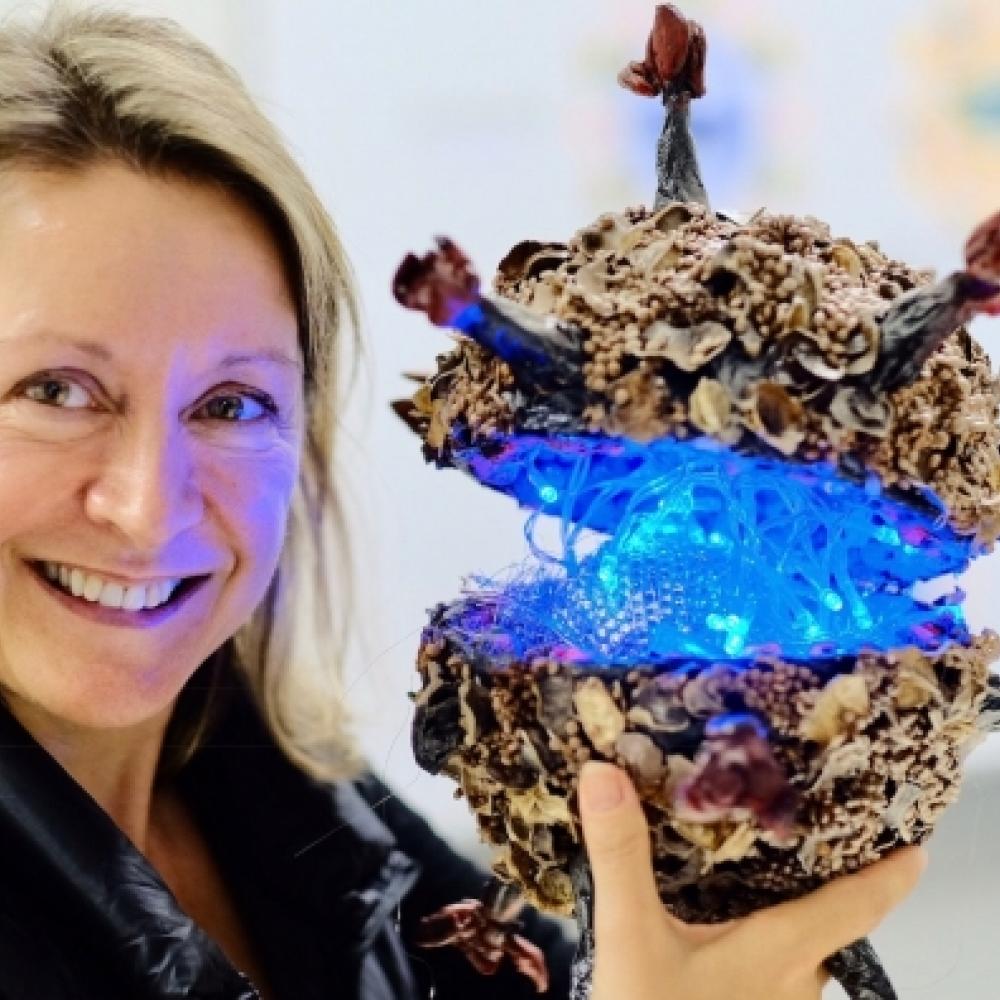
Dr Erica Tandori, legally blind artist with her model of HIV. Photo: Stephen Blake

Science without sight: bringing medical discovery to low vision community

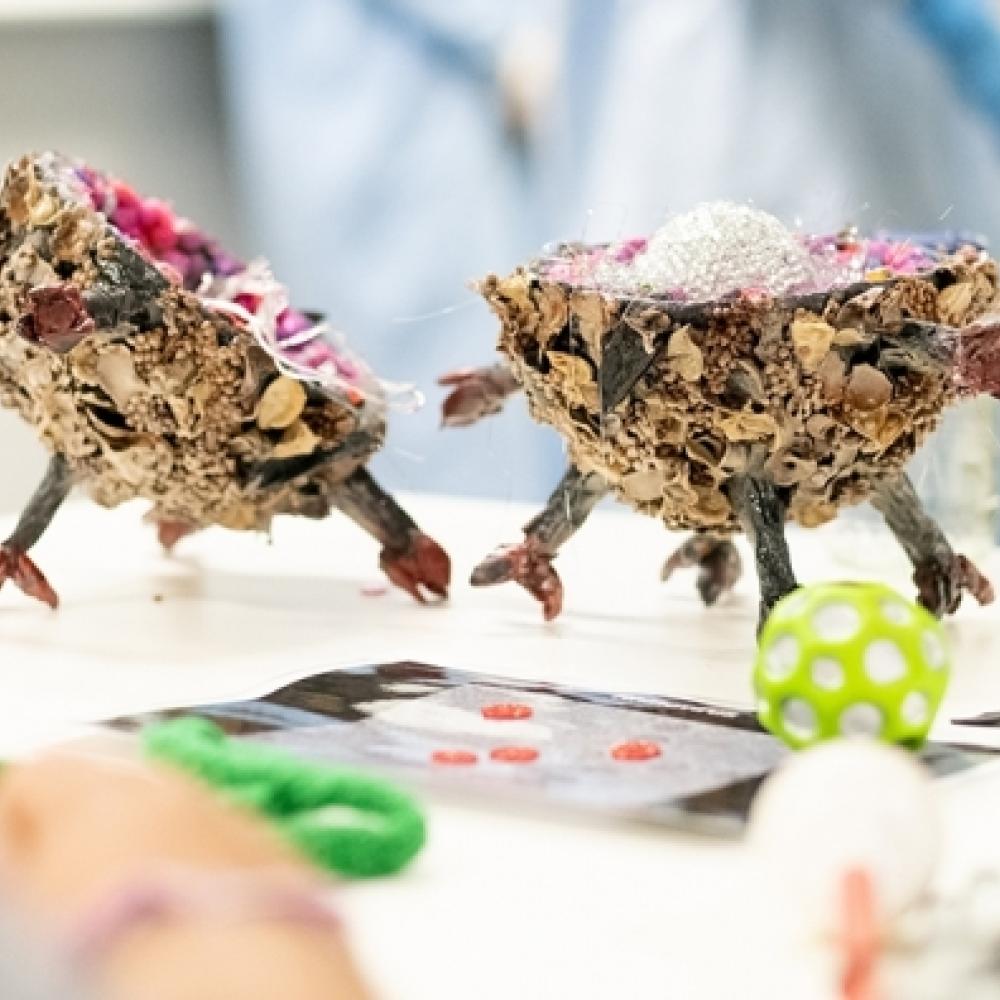
An exhibition by Single Molecule Science at UNSW reveals the world of science and medical discovery to people with impaired vision.
  • Load More