• News
  • Events
  • myUNSW
  • Alumni & Giving
  • Contact Us
UNSW
Single Molecule Science
  • Study Study
      Single Molecule Science
      Study
    • Study options Study options
        Study
        Study options
      • Our faculties
      • Explore degrees
      • Online
      • Short courses
    • Discover UNSW Discover UNSW
        Study
        Discover UNSW
      • Undergraduate study
      • Postgraduate study
      • International students
      • Graduate research
      • Our campus
      • Accommodation
      • Support for students
    • How to apply How to apply
        Study
        How to apply
      • Domestic undergraduate
      • Domestic postgraduate
      • International
      • Research
      • Fees
      • Scholarship
    • Help centre Help centre
        Study
        Help centre
      • Ask a question
      • Speak to a student
      • Received an offer?
      • Information for parents
      • Information for educators
      • Agent Hub
  • Research Research
      Single Molecule Science
      Research
    • Research strengths Research strengths
        Research
        Research strengths
      • Clean energy
      • Climate adaptation & built environment
      • Technology for good
      • Healthier lifespans
      • Equity, security & prosperity
    • Partner with us Partner with us
        Research
        Partner with us
      • Research & development
      • Grant funding
      • Intellectual property
      • Case studies
      • Investment portfolio
      • Unisearch expert opinion
    • Facilities & infrastructure Facilities & infrastructure
        Research
        Facilities & infrastructure
      • Find a facility
      • Find an instrument
      • Mark Wainwright Analytical Centre
      • Research Imaging NSW
      • Research Technology Services
    • Higher degree research Higher degree research
        Research
        Higher degree research
      • Find a supervisor or project
      • Scholarships
      • Application process
      • Fees & costs
      • International engagement
  • Faculties Faculties
      Single Molecule Science
      Faculties
    • Our faculties Our faculties
        Faculties
        Our faculties
      • Arts, Design & Architecture
      • Business School
      • Engineering
      • Law & Justice
      • Medicine & Health
      • Science
      • UNSW Canberra
  • Engage with us Engage with us
      Single Molecule Science
      Engage with us
    • Engage with UNSW Engage with UNSW
        Engage with us
        Engage with UNSW
      • Social media
      • Community outreach
      • Global engagement
      • Complaints
    • Giving Giving
        Engage with us
        Giving
      • Overview
      • Why give to UNSW
      • Areas to support
      • Ways to give
      • Impact stories
      • Give now
    • Alumni Alumni
        Engage with us
        Alumni
      • Overview
      • Alumni essentials
      • Professional hub
      • Get involved
      • Update your details
    • Find an expert Find an expert
        Engage with us
        Find an expert
      • Find an expert
    • Industry partnerships Industry partnerships
        Engage with us
        Industry partnerships
      • Partner with us
      • Services and solutions
      • Funding opportunities
      • Small businesses
      • Impact and case studies
  • About us About us
      Single Molecule Science
      About us
    • Our story Our story
        About us
        Our story
      • Leadership & governance
      • Our strategy
      • Our culture
      • Our people
    • Our impact Our impact
        About us
        Our impact
      • Societal impact
      • Innovation
      • Enterprise
      • Centres & institutes
    • Collaboration Collaboration
        About us
        Collaboration
      • Community
      • Industry
      • Government
    • Our campus Our campus
        About us
        Our campus
      • Faculties & Schools
      • Respect & diversity
      • Library
    • Excellence Excellence
        About us
        Excellence
      • Education
      • Research
      • Human resources
  • About us About us
      Single Molecule Science
      About us
    • What is SMS?
    • Our facilities
    • Our Founder
  • Our research
  • Our group leaders
  • Work with us Work with us
      Single Molecule Science
      Work with us
    • PhD and Honours student opportunities
    • PhD projects in Structural Virology & Molecular Machines group
    • SMS Internship Program
    • Scientist in Residence
    • UNSW Talented Students Programme
  • News
  • Contact us
  • Blog
SMS - News

News

Highlights from our researchers.

In March 2022, Mr Collins underwent deep brain stimulation (DBS) surgery and is currently recovering from the operation. Photo: Supplied

Being told you have Parkinson's disease is confronting and life-changing

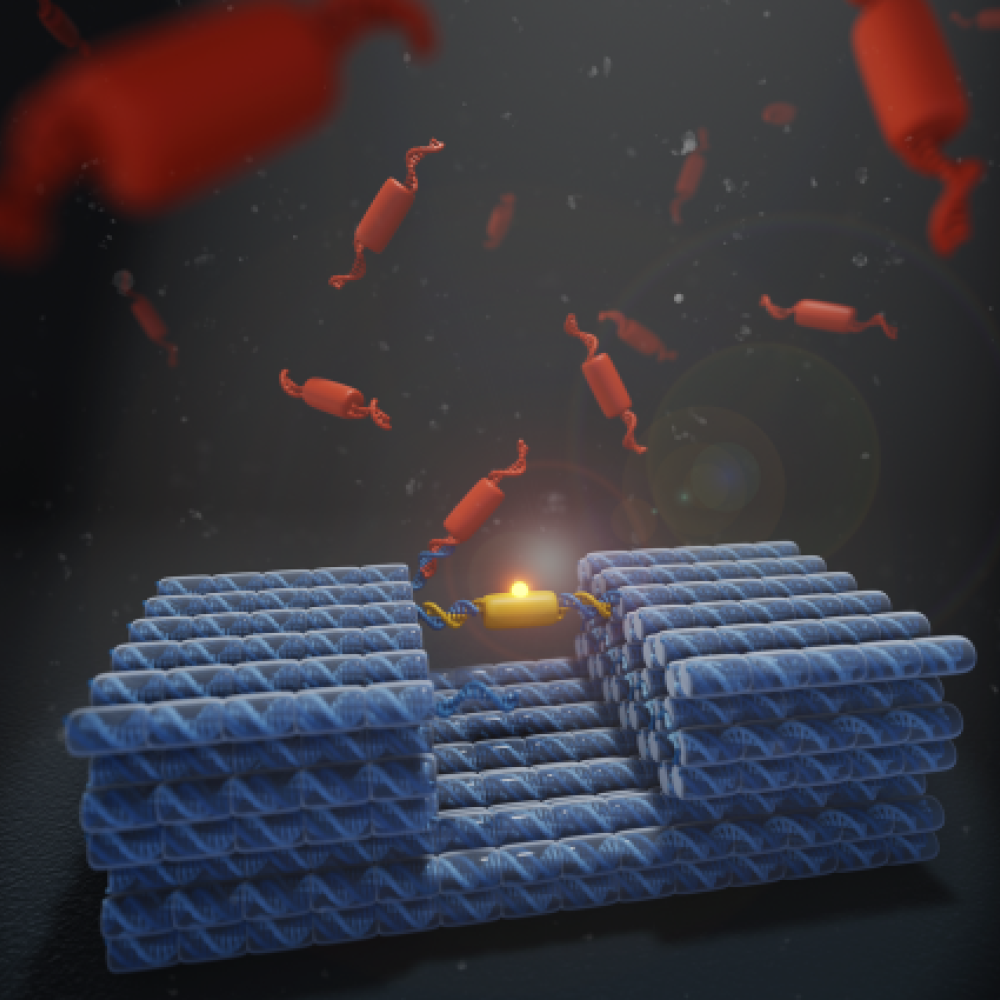
Artistic depiction of DNA nanomachine carrying protein cargo. Credit: Jonathan Berengut

Autonomous nanomachines inspired by nature

UNSW Sydney researchers are another step closer to building molecular machines capable of responding to changes in their environment to perform complex functions.
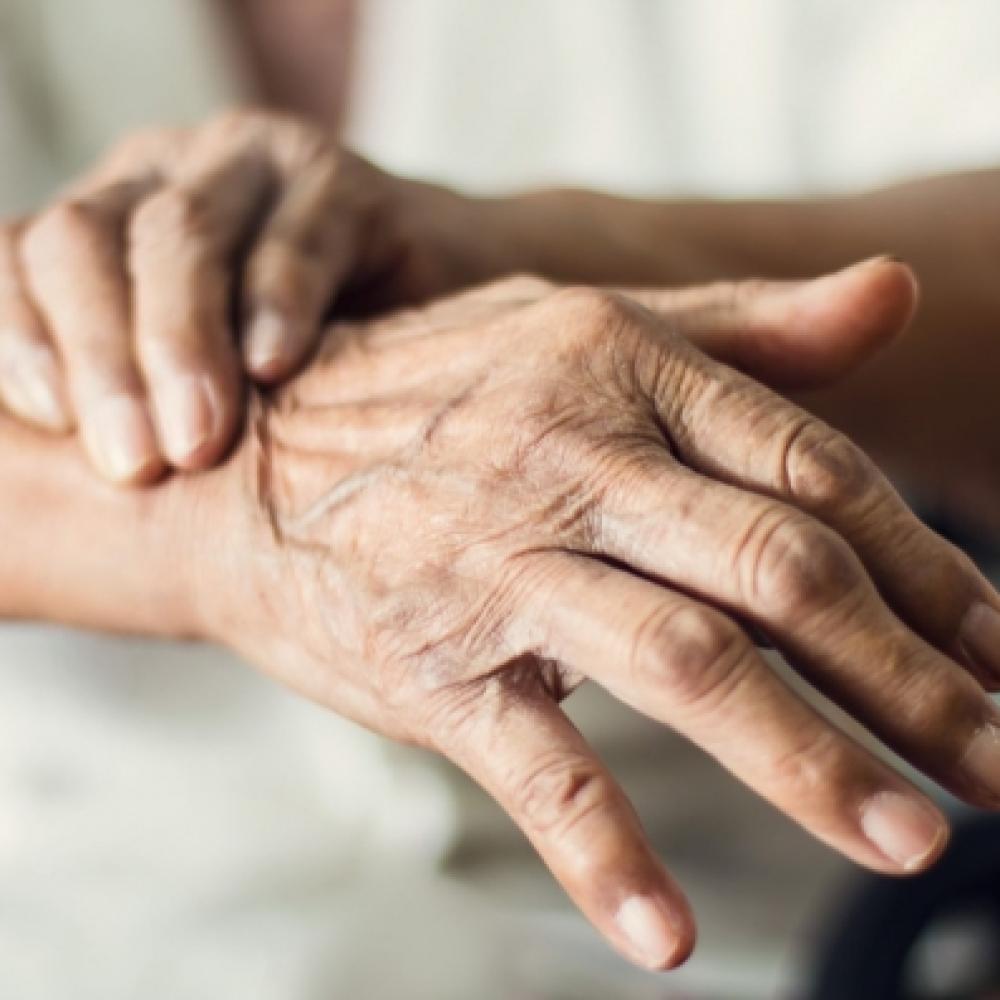
With early detection, doctors could better manage the symptoms of Parkinson’s disease, and potentially slow the progression of disease. Photo: Shutterstock.

Funding support for early detection of Parkinson's disease

A UNSW Sydney-led consortium has secured a $1.37 million grant from the Michael J. Fox and Shake It Up Australia Foundations.
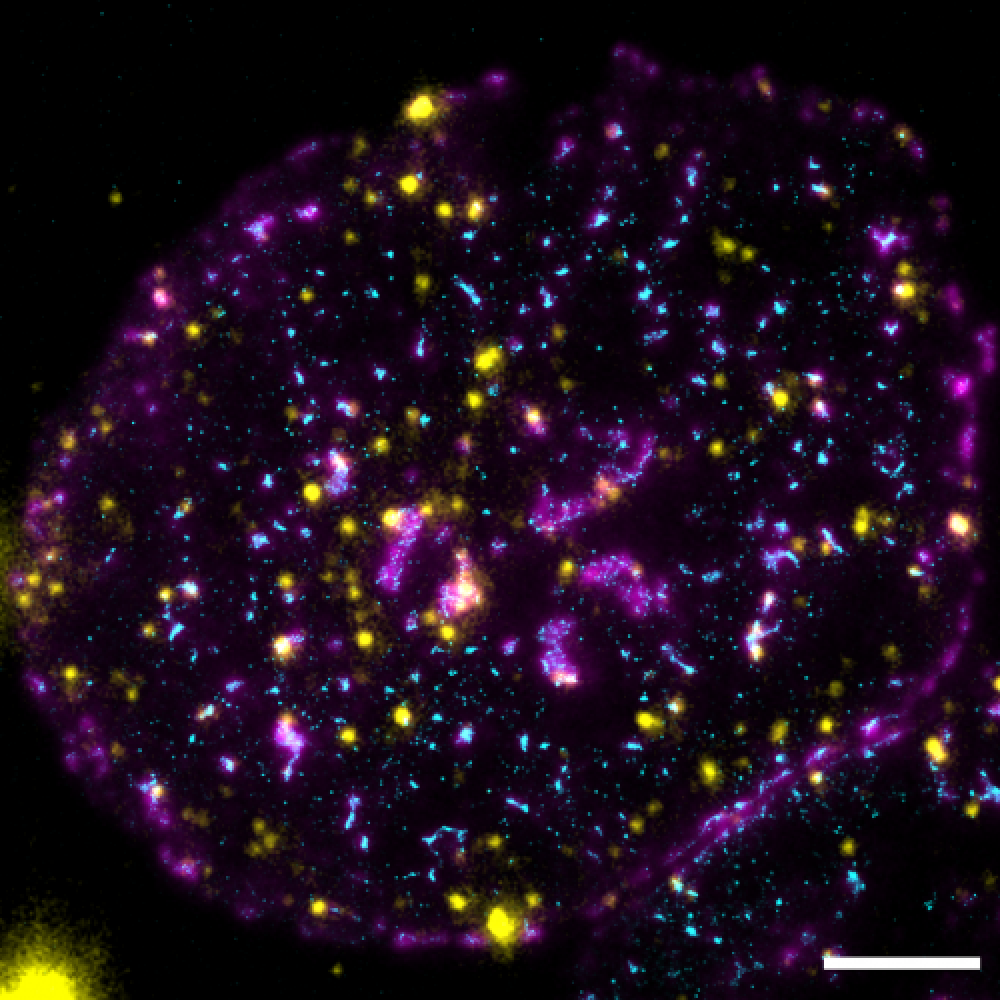
T cell receptor (magenta), ZAP70 (cyan) and another signalling protein (LAT, yellow) in an activated T cell

New research provides mechanistic insight into tuning of immune responses

By uncovering an enduring mystery around how activation signals are modulated in immune cells, scientist find a potential guide to designing more effective immune therapies.
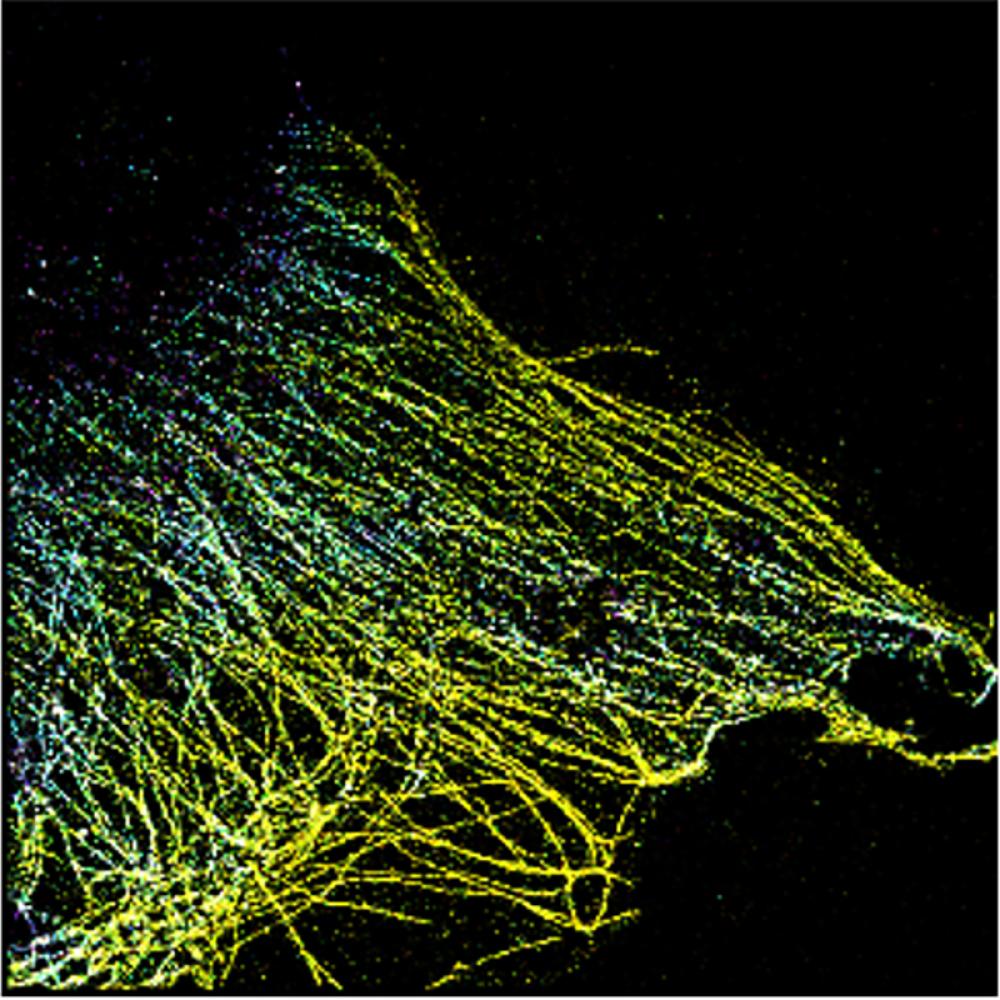
3D super-resolution microscopy image of cellular microtubule networks where colour changes indicate different imaging depths. Photo: Jongho Baek

New microscopy technique reveals living cells in 3D molecular detail

Living cells can now be visualised in three-dimensional molecular detail, enabling new insights to cellular structure and function.
Our sense of touch is actually lots of different senses rolled into one. Image shows woman's hand placed on a heater. Yevhen Prozhyrko/Shutterstock

Explaining the 2021 Nobel prizes: how touch works, a better way to make medicine and the fiction of Abdulrazak Gurnah – podcast

Six prize announcements later, 12 men and one woman from 11 countries are now settling down to their new lives as Nobel laureates. In this episode of The Conversation Weekly, we delve into the scientific discoveries around touch and organic catalysts awarded the 2021 prizes in medicine and chemistry.
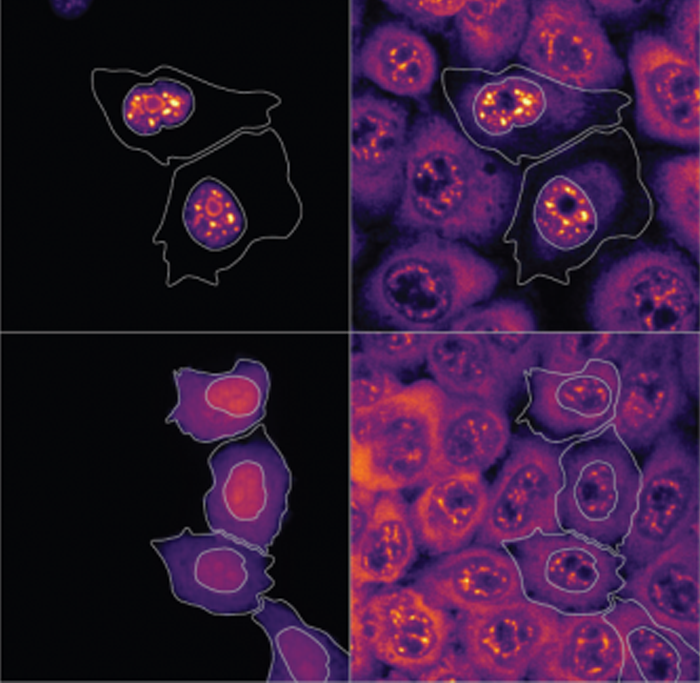
By visualising different proteins expressed within single cells, Scott Berry is setting out to decipher the basic mechanisms that control gene expression.

Visualising gene regulation to help reveal the mechanisms behind it

By visualising different proteins expressed within single cells, Scott Berry is setting out to decipher the basic mechanisms that control gene expression.
Photo: Nick Moore/Unsplash, CC BY-SA

How do you feel? Your 'sense of touch' is several different senses rolled into one

We have more than five senses. What you might think of as your sense of “touch” is actually a range of different sensory pathways that allow you to distinguish various types of mechanical forces, to detect changes in temperature, and to feel pain.
During and after space missions, astronauts experience health problems. Photo: Shutterstock

What does space travel do to our cells?

UNSW Sydney scientists are exploring the effects of microgravity – the condition where people or objects seem to be weightless – on mammalian cells.
Darren Collins was 44 years old when diagnosed with young-onset Parkinson's disease. It took almost two years of tests, doctor and specialist appointments before reaching a diagnosis. Image: Emi Berry

'I was 44 years old when diagnosed with Parkinson's disease': Parkinson’s Awareness Month

Darren's diagnosis took two years, but a new Parkinson's disease detection method developed by UNSW researchers could enable an early and accurate diagnosis. In its current form, the new detection method takes five hours.
Electron micrograph of self-assembled HIV capsids used as bait to identify interacting host proteins; image credit Derrick Lau

Fishing for new HIV therapeutic targets using capsid as bait

UNSW Sydney researchers have created a method of rapidly detecting and characterising molecules used by HIV to orchestrate infection.
Micrograph of clumps of alpha-synuclein protien in the brain of a patient with Parkinson's disease

Early and reliable detection of Parkinson's disease in cerebrospinal fluid

New detection method developed by Sydney scientists could enable early, accurate diagnosis for Parkinson’s disease.
  • Load More